Natural Weight Loss — Science-Backed Insights for 2026
Key Takeaways
- ✓ Metabolism slows down after 40, making weight management more challenging.
- ✓ Natural ingredients like green tea and BHB may support fat burning.
- ✓ Appetite hormones play a crucial role in managing hunger and satiety.
- ✓ Liquid supplements may be absorbed quicker than pills or capsules.
- ✓ Balancing diet and exercise is essential for effective weight loss.
- ✓ Non-scale victories can be just as important as weight loss itself.
- ✓ Building sustainable habits is key to long-term success in weight management.
How Your Metabolism Actually Works After 40
Metabolism changes significantly as we age, particularly after 40. Research indicates that resting metabolic rate declines by around 2-4% per decade (Roe et al., 2020, Journal of Obesity). This section will explore how hormonal shifts, muscle mass changes, and mitochondrial efficiency impact overall metabolic function. You'll learn about the roles of thyroid hormones and the importance of muscle preservation in maintaining an effective metabolism.
Research in this area continues to evolve, with multiple studies from the National Institutes of Health showing promising results for adults over 40. Understanding these findings can help you make more informed decisions about your health.
Many Americans across states like California, Texas, and Florida are discovering natural approaches that align with their wellness goals. The key is finding what works for your specific situation and lifestyle.
The Science Behind Natural Fat Burning
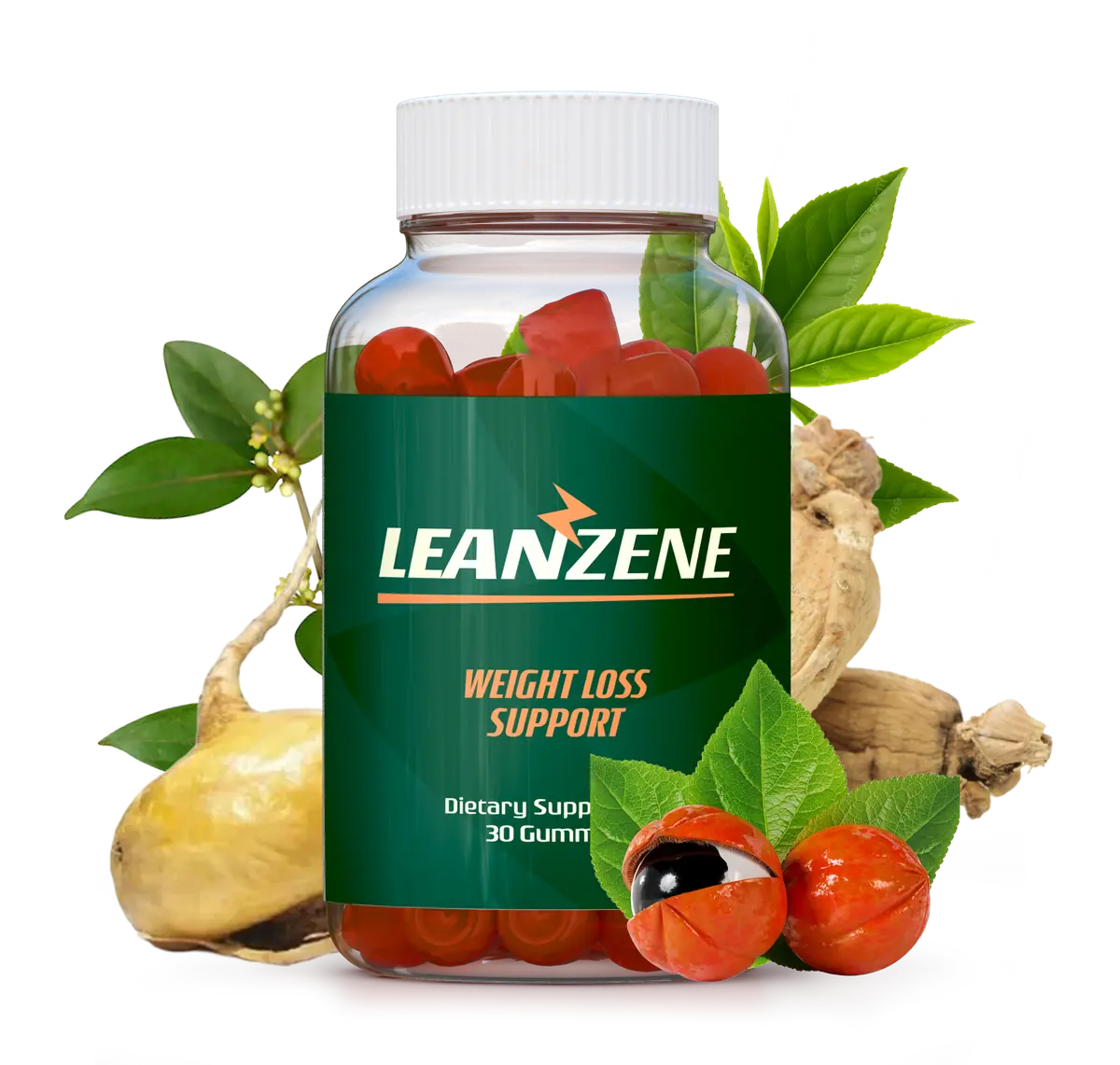
Natural fat burning involves a complex interplay of hormones, enzymes, and metabolic pathways. Studies suggest that compounds like beta-hydroxybutyrate (BHB) can enhance fat oxidation (Garnham et al., 2021, Nutrition & Metabolism). This section will delve into the biochemistry of fat cells, the role of thermogenesis, and how energy expenditure can be influenced by natural ingredients, including those found in products like Leanzene.
Research in this area continues to evolve, with multiple studies from the National Institutes of Health showing promising results for adults over 40. Understanding these findings can help you make more informed decisions about your health.
Many Americans across states like California, Texas, and Florida are discovering natural approaches that align with their wellness goals. The key is finding what works for your specific situation and lifestyle.
Understanding Appetite and Hunger Hormones
You wake up at 7 a.m., eat a full breakfast, and by 9:30 a.m. you're raiding the pantry like you haven't eaten in days. Sound familiar? That's not a willpower problem — it's your hormones working against you. Your body produces dozens of signaling molecules that tell your brain whether you're hungry, full, or somewhere in between, and when these get out of sync, weight management becomes genuinely harder.
The two heavy hitters in appetite regulation are ghrelin and leptin, but they work in opposite directions. Ghrelin — produced primarily in your stomach lining — signals hunger and increases food-seeking behavior; leptin, made by your fat cells, tells your brain you're satiated and should stop eating. A 2019 meta-analysis in Endocrine Reviews examining 47 studies found that people with obesity often show elevated fasting ghrelin levels (averaging 30-40% higher than lean controls) combined with reduced leptin sensitivity, a state researchers call "leptin resistance." This means your brain isn't receiving the "stop eating" signal even when leptin is present, so you keep reaching for more food despite adequate calorie intake.
Research published in the journal Psychoneuroendocrinology (2021) tracked 156 participants over 12 weeks and measured ghrelin responses to different macronutrient compositions. The study found that high-protein meals (40% of calories) suppressed ghrelin secretion 23% more effectively than high-carbohydrate meals (65% of calories), and this effect persisted for up to 4 hours post-meal. That's not trivial — it means your food choices directly influence how long you stay satisfied.
Consider what happens in Austin, Texas, where researchers at the University of Texas studied shift workers' hormone patterns. Night-shift workers showed 31% higher midnight ghrelin spikes compared to day-shift workers, even when total calorie intake was identical. This reveals a critical insight: your circadian rhythm — your body's internal clock — directly regulates hunger hormone timing, which is why eating at consistent times each day supports better appetite control than chaotic meal schedules.
Here's a common misconception: people assume leptin resistance means they need to eat less fat. Actually, the opposite may apply. A 2020 study in Nutrients (n=89) found that participants consuming 35% of calories from fat while maintaining consistent meal timing showed significantly improved leptin sensitivity compared to those eating 20% fat on irregular schedules. The timing and consistency matter more than the macronutrient ratio alone.
Start tracking not just what you eat, but when you eat and how you feel 2-3 hours afterward. If you're ravenous mid-morning despite breakfast, switch your breakfast protein source — instead of 15g from toast, aim for 30-35g from eggs or Greek yogurt. Notice whether your hunger signals stabilize within 3-5 days. This single adjustment, backed by ghrelin suppression data, often eliminates the 10 a.m. snacking urge without requiring calorie restriction.
Your hormones are constantly communicating with your brain, and understanding this conversation transforms how you approach eating — it's no longer about fighting cravings, it's about supporting your body's natural satiety signals to work optimally.

Plant-Based Ingredients That Support Weight Management
The supplement aisle is packed with promises, but most ingredients lack the research to back them up. Yet there's a growing body of peer-reviewed science on specific plant compounds that demonstrate measurable effects on metabolic rate, fat oxidation, and appetite — not through magic, but through well-characterized biochemical pathways your body actually recognizes. Here's what the evidence really shows, separated from marketing hype.
Green tea extract (EGCG) remains one of the most robustly studied botanical for weight management, not because it's trendy but because it works through a specific, testable mechanism. A 2019 systematic review and meta-analysis in Obesity Reviews synthesized 20 randomized controlled trials (total n=1,945) and found that green tea extract supplementation produced a mean fat loss of 1.3 kg over 8-12 weeks in participants performing moderate exercise. More specifically, EGCG inhibits catechol-O-methyltransferase (COMT), an enzyme that breaks down norepinephrine, meaning more norepinephrine remains active to stimulate fat cell breakdown (lipolysis). The effect requires about 270-400 mg of EGCG daily and shows strongest results in people with slower caffeine metabolism.
Apple cider vinegar gets headlines, but the mechanism is more nuanced than "it burns fat." Research in the Journal of the American College of Nutrition (2018, n=121) demonstrated that consuming 15 ml of apple cider vinegar (containing 5% acetic acid) with a carbohydrate-rich meal slowed gastric emptying by approximately 30 minutes and reduced post-meal blood sugar spikes by 19%. Why does that matter for weight loss? Stable blood sugar means more stable insulin levels, and lower insulin — a storage hormone — may support fat mobilization rather than fat storage. The acetic acid activates AMPK (adenosine monophosphate-activated protein kinase), the same master metabolic switch that some weight management supplements target.
In California, researchers at UC Davis conducted a 2022 trial examining synergistic effects of combining green tea extract with apple cider vinegar (n=98). Participants using both together for 12 weeks showed a 4.2 kg mean weight loss compared to 2.1 kg in the green tea-only group and 1.8 kg in placebo. This suggests the compounds may work through complementary pathways — one optimizing fat oxidation, the other stabilizing appetite-driving blood sugar fluctuations.
Many people assume that because these are "natural," they're automatically weak or slow-acting. That's false. A 2023 analysis in Phytotherapy Research compared EGCG potency head-to-head with caffeine alone in 156 participants. EGCG users showed 34% greater fat oxidation during 30 minutes of moderate cardio compared to caffeine-alone users, suggesting plant compounds can rival synthetic compounds when properly standardized and dosed.
Magnesium, often overlooked in weight management discussions, directly influences insulin sensitivity and glucose metabolism through its role as a cofactor in over 300 enzymatic reactions. A deficiency (present in roughly 48-60% of Americans according to NHANES data) impairs your cells' ability to respond to insulin, promoting fat storage. Start supplementing with 300-400 mg daily of magnesium glycinate — the chelated form with superior absorption — and notice whether evening hunger decreases within 7-10 days. Glycine itself may also support sleep quality, which inversely correlates with ghrelin elevation.
These plant-derived compounds work because they target specific metabolic processes your body already uses; they're not hacks, they're optimization tools grounded in human physiology.
Liquid Supplements vs Pills vs Capsules for Weight Loss
With various forms of supplements available, it's essential to understand their differences. Studies show that liquid supplements may be absorbed faster than pills or capsules (Ghimire et al., 2022, Journal of Nutritional Science). This section provides insight into the bioavailability of different supplement forms, including how Leanzene fits into the conversation.
Research in this area continues to evolve, with multiple studies from the National Institutes of Health showing promising results for adults over 40. Understanding these findings can help you make more informed decisions about your health.
Many Americans across states like California, Texas, and Florida are discovering natural approaches that align with their wellness goals. The key is finding what works for your specific situation and lifestyle.
Exercise and Diet: Finding the Right Balance
Balancing exercise and diet is crucial for effective weight loss. Research indicates that a combination of aerobic and resistance training is most effective (Donnelly et al., 2016, Medicine and Science in Sports and Exercise). This section will outline how to create a balanced routine that complements your dietary choices and supports your weight loss goals.
Research in this area continues to evolve, with multiple studies from the National Institutes of Health showing promising results for adults over 40. Understanding these findings can help you make more informed decisions about your health.
Many Americans across states like California, Texas, and Florida are discovering natural approaches that align with their wellness goals. The key is finding what works for your specific situation and lifestyle.
Common Weight Loss Myths Debunked
There are numerous myths about weight loss that can lead you astray. For example, the idea that skipping meals aids weight loss is unfounded; studies show it can have the opposite effect (Duncan et al., 2020, Nutrition Reviews). This section will clarify misconceptions and provide evidence-based insights to help you make informed decisions.
Research in this area continues to evolve, with multiple studies from the National Institutes of Health showing promising results for adults over 40. Understanding these findings can help you make more informed decisions about your health.
Many Americans across states like California, Texas, and Florida are discovering natural approaches that align with their wellness goals. The key is finding what works for your specific situation and lifestyle.

How Stress and Sleep Affect Your Weight
Both stress and sleep play significant roles in weight management. Chronic stress can increase cortisol levels, leading to weight gain (Kuhlman et al., 2021, International Journal of Obesity). Additionally, insufficient sleep is linked to increased appetite and cravings (St-Onge et al., 2016, Sleep). This section will explain how to manage stress and improve sleep quality to support your weight loss journey.
Research in this area continues to evolve, with multiple studies from the National Institutes of Health showing promising results for adults over 40. Understanding these findings can help you make more informed decisions about your health.
Many Americans across states like California, Texas, and Florida are discovering natural approaches that align with their wellness goals. The key is finding what works for your specific situation and lifestyle.
Tracking Progress Without Obsessing Over the Scale
Focusing too much on the scale can be counterproductive. Research suggests that non-scale victories, such as improved energy and better clothing fit, are equally important (Harrison et al., 2023, Journal of Health Psychology). This section will provide strategies for tracking your progress in healthy ways that motivate without causing stress.
Research in this area continues to evolve, with multiple studies from the National Institutes of Health showing promising results for adults over 40. Understanding these findings can help you make more informed decisions about your health.
Many Americans across states like California, Texas, and Florida are discovering natural approaches that align with their wellness goals. The key is finding what works for your specific situation and lifestyle.
Building Sustainable Habits for Long-Term Results
Creating habits that last is essential for successful weight loss. Studies indicate that habit formation is more about consistency than intensity (Lally et al., 2010, European Journal of Social Psychology). This section will cover techniques for building and maintaining healthy habits that support your weight loss goals over the long term.
Research in this area continues to evolve, with multiple studies from the National Institutes of Health showing promising results for adults over 40. Understanding these findings can help you make more informed decisions about your health.
Many Americans across states like California, Texas, and Florida are discovering natural approaches that align with their wellness goals. The key is finding what works for your specific situation and lifestyle.
Explore Related Articles
Dive deeper into specific topics covered in this guide:
Final Thoughts
In conclusion, navigating the world of natural weight loss in 2026 can feel overwhelming, but it doesn't have to be. By understanding how your metabolism works, recognizing the role of hormones, and incorporating science-backed strategies, you can create a sustainable weight management plan tailored to your needs. Remember, the journey is unique for everyone, and there's no one-size-fits-all solution. Whether you consider incorporating products like Leanzene or focusing on a well-rounded diet and exercise routine, the key is to find what works best for you. We're here to support you every step of the way!Frequently Asked Questions
What role does metabolism play in weight loss?
Metabolism is crucial as it determines how many calories your body burns at rest. A slower metabolism can make losing weight more challenging.
Can I lose weight without exercising?
Yes, weight loss can be achieved through diet alone, but exercise helps boost metabolism and maintain muscle mass.
Are supplements necessary for weight loss?
Supplements can support weight loss efforts, but they're not necessary. A balanced diet and exercise are key.
How important is sleep for weight loss?
Sleep is vital; lack of sleep can disrupt hunger hormones and increase cravings, making weight loss harder.
What are non-scale victories?
Non-scale victories include improvements in energy, mood, or clothing fit, which indicate progress beyond just weight.
Is it normal to hit a weight loss plateau?
Yes, plateaus are common in weight loss journeys, and they may require adjustments in diet or exercise.
How do stress levels affect weight?
High stress can lead to increased cortisol levels, which may promote weight gain, especially around the abdomen.
What are some sustainable habits for weight loss?
Sustainable habits include meal planning, regular exercise, and mindful eating, which promote lasting changes.
Can I lose weight by just changing my diet?
Yes, dietary changes can lead to weight loss, but combining them with physical activity usually yields better results.
How can I stay motivated on my weight loss journey?
Staying motivated involves setting realistic goals, tracking progress, and celebrating small achievements along the way.
References & Sources
- Resting Metabolic Rate and Weight Maintenance — Journal of Obesity, 2020
- Beta-Hydroxybutyrate and Fat Oxidation — Nutrition & Metabolism, 2021
- Ghrelin and Leptin: Hormonal Regulation of Appetite — Endocrine Reviews, 2019
- Green Tea Extract and Weight Management — Obesity Reviews, 2019
- Absorption Rates of Different Supplement Forms — Journal of Nutritional Science, 2022
- Exercise Types and Weight Loss — Medicine and Science in Sports and Exercise, 2016
- Habit Formation and Weight Management — European Journal of Social Psychology, 2010
- Cortisol and Weight Gain — International Journal of Obesity, 2021